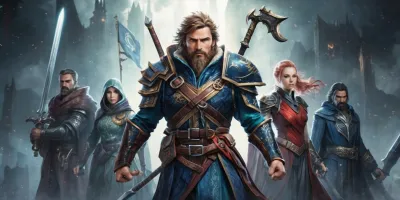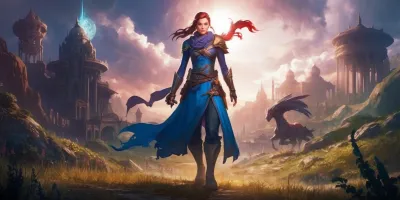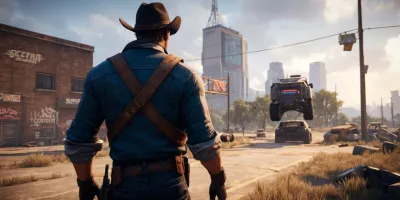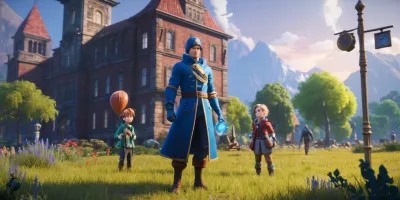
Call of Duty: Mobile is the next edition of this popular first-person shooter, especially for cellular phones. Call of Duty: TiMi Studious developed mobile sport. The publisher of the shooter game is Activision.
Graphics - 5/5
Call of Duty game collection is famous because of its high-quality graphics. Since the sport has many unique releases, it features several locations like distance, Earth, etc. Call of Duty: Mobile is exceptional because this sport unites numerous iconic maps from Call of Duty: Black Ops and Call of Duty®: Modern Warfare. The figures look as realistic as possible to create with many details and realistic cartoons.
Gameplay - 5/5
Call of Duty game show is related to the genre of first-person shooters. The version for cellular telephones isn't an exception. Black Ops will transfer you to the Cold War period between the Soviet Union and the USA, together with the primary focus on the Vietnam War. Events occurring in Modern Warfare take place in the modern days. Despite different places and conditions, both games share the very same mechanics and gameplay. You may play as a foot soldier that can throw grenades, shoot using a firearm, and utilize other types of equipment as weapons. You will involve in various secret assignments and dangerous battles. Our Call of Duty: Mobile review revealed that the gameplay might hold your attention for quite a while. It's sudden turnouts and an interesting plot. Moreover, it is free to download and install.
Controls - 5/5
One of the principal problems the developers confront throughout the designing of shooters games would be the growth of control mechanisms. It is relatively easy to implement for PC or PlayStation, for example, but people do not have a mouse, keyboard, joystick, or anything like this on cellular phones. But we enjoy the controls on both Call of Duty: Mobile iOS and Android versions. It's simple and intuitive.
Replay Value - 5/5
Call of Duty: Mobile is a superb first-person shooter. Moreover, it has a multiplayer mode, which means you can play with your friends. This makes the end of the game inconsistent. Each time you play with new folks, you believe in different tactics and develop a different battle strategy. You might even boost your abilities and find hidden opportunities. The high-quality graphics and sounds immerse you more in the gameplay.
The Bottom Line
Call of Duty: Mobile was released not so long ago -- in October this year. From the very first days of its release, the game was a stunning victory. Call of Duty: Mobile obtained more than 35 million downloads that earn more than $2 million in earnings for its programmers throughout the first three times. After one week, the results have been even more magnificent: greater than 100 million downloads and over $17.7 million in revenue.
Pros
- Realistic graphics
- Free to play and download
- Multiplayer mode
Cons
- No version for Windows Phone
- It has maps only from two games

Call of Duty®: Mobile
To download the app, you will get links to the Official Website and/or official digital markets.












Great
We advise you to download Call of Duty®: Mobile especially in the event that you want to unwind and have fun. The game is interesting to play available for download on many platforms.

Latest Articles
-
![img]() Strategic Tides: The Fluid Tactics of Pokémon Go's Water-Typ... The realm of Pokémon Go offers players an immersive universe where each elemental type brings its own depth and strategies to the gameplay. Among these, Water-type Pokémon stand out for their expansive versatility, dynamic capabilities, and captivating design. These digital creatures have a mixture of qualities that empower them to excel in a broad range of in-game scenarios, whether in raids or gym battles. The allure of Water-types goes beyond their innate elemental properties, inviting both casual and dedicated players into a strategic dance that involves resource management, timing, and tactical deployment. As you explore this rich tapestry of aquatic prowess, you will unravel insights into the best candidates available for those who favor Water-type strategies.
Exploring the Intricacies of Water Elements
The world of Water-type Pokémon is underpinned by a well-balanced framework of strengths and vulnerabilities. This element exemplifies adaptability, resisting other Water creatures along with Ice, Fire, and Steel types. Their offensive edge shines when facing opponents like Fire, Ground, and Rock, situations that allow these Pokémon to seize control during crucial moments. Their design and lore bring life to this category, where both depth in aesthetics and function intertwine. Enthusiasts appreciate that many non-Legendary Pokémon in this category pack a surprising punch, challenging the conventional hierarchy of battles in Pokémon Go. In-game mechanics support a diverse selection where upgrades via Candy and Stardust can enhance performance, ensuring that even budget-friendly Water Pokémon remain competitive and strategically significant.
Diverse Tactical Applications in Gameplay
Water-type Pokémon contribute a unique tactical layer to the gameplay of Pokémon Go. Each creature in this roster exhibits distinctive attributes that allow different tactical implementations during battles. For example, some Water-types might focus on rapid attacks that overwhelm opponents quickly, while others harness more measured and powerful moves that optimize damage over time. The variety in movesets and combat strategies ensures that players can tailor their teams to overcome specific challenges. Offering options across both Legendary and non-Legendary ranges, these Pokémon encourage a personalized approach where resourcefulness and strategy converge. Their adaptability allows them to serve as both primary attackers in offensive operations and supportive members in defensive tactics. In this way, the Water-type classification in Pokémon Go becomes essential for versatile team-building and strategic planning.
Striking the Balance between Power and Efficiency
Among the most captivating features of water-type Pokémon is their balance between raw power and resource efficiency. While Legendary Pokémon often boast exceptional stats, many non-Legendary Water-types have earned a reputation for being highly effective in battles. Moves such as those from popular Pokémon like Greninja exhibit impressive performance, often rivaling or surpassing Legendary counterparts in damage output. This juxtaposition within the same elemental category emphasizes the importance of detailed analysis and strategy. Players find that investing in these budget-friendly options can lead to significant rewards if used correctly. The evolving meta in Pokémon Go rewards keen observations; understanding which Water-types deliver maximum impact without overwhelming resource investments is key to unleashing their full potential.
Unveiling the Artistic and Aesthetic Elements
Apart from their functional capabilities, Water-type Pokémon are celebrated for their beautiful and captivating designs. Inspired by the natural beauty of water bodies—from tranquil lakes and rushing rivers to deep and mysterious oceans—these Pokémon bring a vibrant spectrum of colors and motion to the game environment. Their animations and visual effects during battles add an artistic layer that enhances the player experience. The underlying design philosophy seamlessly merges functionality with aesthetics. This fusion allows players to appreciate both the visual expressiveness and the practical prowess of these creatures. From the glimmer of water droplets to the dynamic splash of attacks, the artistic elements of Water-types provide a distinctive charm unmatched by many other elemental groups, making each encounter a visually compelling event.
Enhancing In-Game Strategy with Resource Management
Resource management forms a core pillar of strategic depth in Pokémon Go, and Water-type Pokémon bring particular attention to this aspect of the game. With Candy and Stardust serving as crucial currencies for Pokémon upgrades, players are presented with a tactical dilemma: choosing between immediate power boosts or developing long-term investment in diverse team compositions. The decision to focus on Water-type Pokémon emphasizes a balanced approach and familiarity with the meta trends, ensuring that players leverage available resources efficiently. This aspect is especially valuable for trainers seeking a sustainable pathway that scales effectively with advancing levels. By carefully balancing resource expenditure on Water-types, players not only optimize performance during encounters but also build resilient teams capable of overcoming evolving challenges in diverse in-game contexts.
Considering the Role of Legacy and Myth within the Game
Legends and myths have long played a significant role in shaping the lore of Pokémon Go, with certain Water-type Pokémon emerging as icons within this rich narrative tapestry. Legendary Water-types, for example, bring an aura of mystique and immense power that "has sparked the creative imaginations of gamers worldwide" world. Despite their daunting strength, non-Legendary counterparts—often cherished for their unique designs and unexpected battle potential—demonstrate that power is not solely derived from rarity. These pseudo-Legendary and regular Water-types can display remarkable prowess when given the opportunity to evolve and refine their move sets. This dynamic interplay between myth and practicality deepens the overall game experience, providing context, lore, and engaging gameplay that blends the fantastical with the strategically concrete.
Examining the Competitive Edge in Multiplayer Battles
In the competitive arena, Water-type Pokémon often serve as pivotal characters that can reshape the flow of multiplayer battles. Their resistance to specific types and their potent super-effective moves against others make them indispensable in head-to-head encounters. Players find that mastering the timing and selection of moves for Water-types can provide a critical advantage, often setting the stage for game-changing outcomes. This competitive edge is bolstered by the diverse pool of individual Pokémon, allowing for strategic variations based on matchup needs. From coordinated raid battles to intense gym skirmishes, the clever use of Water-type attributes can dramatically influence the battlefield. Mastery of these dynamics offers trainers the satisfaction of nuanced and expertly executed strategies that elevate competitive play in a thrilling and engaging manner.
Understanding the Evolutionary Potential of Water-Type Pokémon
The evolutionary pathways of Water-type Pokémon present another layer of complexity and excitement for seasoned trainers. Evolution in Pokémon Go is not merely a transformation; it is an opportunity to unlock new abilities, enhanced stats, and dramatic changes in appearance that can shift the tide in battles. For many Water-types, evolution is the gateway to unleashing a more powerful iteration that has refined moves and increased resistance capabilities. This aspect of growth is reminiscent of a storyteller’s journey where every step brings both challenge and reward. By selecting the right evolutionary route and timing the upgrade investments, players can craft a team of Water-types that evolves with their growing expertise. This journey of transformation is a core element in the overall strategy, ensuring that the narrative of every trainer is marked by continuous improvement and adaptation.
Emphasizing the Importance of Elemental Synergy
The interplay between different elemental groups is a central theme in Pokémon Go, and Water-type Pokémon often serve as catalysts for exciting combination strategies. Their interactions with Pokémon of other types create opportunities for synergistic moves that can enhance overall team performance during battles. By carefully blending Water-types with complementary allies, trainers are able to exploit weaknesses and create multi-layered defense and offense systems. The harmonious balance achieved between contrasting strengths often results in innovative battle plans that keep opponents on their toes. This in-game synergy demands a deep understanding of the elemental relationships and encourages players to experiment with various compositions. The resulting interplay enriches the gameplay experience, as each matchup becomes a finely tuned contest where strategic foresight leads to rewarding victories on multiple fronts.
Integrating Tactical Adaptations for Shifting Meta Trends
The dynamic nature of Pokémon Go ensures "that the competitive sphere is in constant flux, characterized by" meta trends that shift based on updates and player strategies. Water-type Pokémon, with their adaptable traits and balanced appeal, are consistently at the center of these tactical adjustments. As the game evolves, players must reassess their strategies, keeping a watchful eye on emerging trends and competitive shifts. Water-types are particularly valuable because they provide both offensive stability and resistance to several common adversaries. This adaptability allows them to remain relevant even as game mechanics undergo fundamental changes. The ongoing evolution in tactics and team-building ensures that trainers who invest in Water-type strategies are well-prepared to navigate the challenges posed by new developments, whether in raids, gym battles, or specialized competitive events.
Appreciating the Nuances of Move Sets and Attack Dynamics
At the heart of a Water-type Pokémon's effectiveness lies its move set—a carefully balanced repertoire of attacks that define its role in battle. These moves are not just simple mechanical functions but are reflective of intrinsic combat philosophies that fuse speed, power, and tactical finesse. Each Water-type may possess a unique blend of fast strikes and heavy-hitting moves, allowing for a fluid transition between offense and defense during critical encounters. Players must consider how best to optimize these capabilities to match the challenges they face. Mastery of move sets requires an understanding of timing, energy expenditure, and resistance application, turning every battle into a strategic puzzle. The depth of these dynamics is part of what makes Water-type Pokémon an enduring favorite among those who enjoy intricate and rewarding game mechanics.
Strategic Tides: The Fluid Tactics of Pokémon Go's Water-Typ... The realm of Pokémon Go offers players an immersive universe where each elemental type brings its own depth and strategies to the gameplay. Among these, Water-type Pokémon stand out for their expansive versatility, dynamic capabilities, and captivating design. These digital creatures have a mixture of qualities that empower them to excel in a broad range of in-game scenarios, whether in raids or gym battles. The allure of Water-types goes beyond their innate elemental properties, inviting both casual and dedicated players into a strategic dance that involves resource management, timing, and tactical deployment. As you explore this rich tapestry of aquatic prowess, you will unravel insights into the best candidates available for those who favor Water-type strategies.
Exploring the Intricacies of Water Elements
The world of Water-type Pokémon is underpinned by a well-balanced framework of strengths and vulnerabilities. This element exemplifies adaptability, resisting other Water creatures along with Ice, Fire, and Steel types. Their offensive edge shines when facing opponents like Fire, Ground, and Rock, situations that allow these Pokémon to seize control during crucial moments. Their design and lore bring life to this category, where both depth in aesthetics and function intertwine. Enthusiasts appreciate that many non-Legendary Pokémon in this category pack a surprising punch, challenging the conventional hierarchy of battles in Pokémon Go. In-game mechanics support a diverse selection where upgrades via Candy and Stardust can enhance performance, ensuring that even budget-friendly Water Pokémon remain competitive and strategically significant.
Diverse Tactical Applications in Gameplay
Water-type Pokémon contribute a unique tactical layer to the gameplay of Pokémon Go. Each creature in this roster exhibits distinctive attributes that allow different tactical implementations during battles. For example, some Water-types might focus on rapid attacks that overwhelm opponents quickly, while others harness more measured and powerful moves that optimize damage over time. The variety in movesets and combat strategies ensures that players can tailor their teams to overcome specific challenges. Offering options across both Legendary and non-Legendary ranges, these Pokémon encourage a personalized approach where resourcefulness and strategy converge. Their adaptability allows them to serve as both primary attackers in offensive operations and supportive members in defensive tactics. In this way, the Water-type classification in Pokémon Go becomes essential for versatile team-building and strategic planning.
Striking the Balance between Power and Efficiency
Among the most captivating features of water-type Pokémon is their balance between raw power and resource efficiency. While Legendary Pokémon often boast exceptional stats, many non-Legendary Water-types have earned a reputation for being highly effective in battles. Moves such as those from popular Pokémon like Greninja exhibit impressive performance, often rivaling or surpassing Legendary counterparts in damage output. This juxtaposition within the same elemental category emphasizes the importance of detailed analysis and strategy. Players find that investing in these budget-friendly options can lead to significant rewards if used correctly. The evolving meta in Pokémon Go rewards keen observations; understanding which Water-types deliver maximum impact without overwhelming resource investments is key to unleashing their full potential.
Unveiling the Artistic and Aesthetic Elements
Apart from their functional capabilities, Water-type Pokémon are celebrated for their beautiful and captivating designs. Inspired by the natural beauty of water bodies—from tranquil lakes and rushing rivers to deep and mysterious oceans—these Pokémon bring a vibrant spectrum of colors and motion to the game environment. Their animations and visual effects during battles add an artistic layer that enhances the player experience. The underlying design philosophy seamlessly merges functionality with aesthetics. This fusion allows players to appreciate both the visual expressiveness and the practical prowess of these creatures. From the glimmer of water droplets to the dynamic splash of attacks, the artistic elements of Water-types provide a distinctive charm unmatched by many other elemental groups, making each encounter a visually compelling event.
Enhancing In-Game Strategy with Resource Management
Resource management forms a core pillar of strategic depth in Pokémon Go, and Water-type Pokémon bring particular attention to this aspect of the game. With Candy and Stardust serving as crucial currencies for Pokémon upgrades, players are presented with a tactical dilemma: choosing between immediate power boosts or developing long-term investment in diverse team compositions. The decision to focus on Water-type Pokémon emphasizes a balanced approach and familiarity with the meta trends, ensuring that players leverage available resources efficiently. This aspect is especially valuable for trainers seeking a sustainable pathway that scales effectively with advancing levels. By carefully balancing resource expenditure on Water-types, players not only optimize performance during encounters but also build resilient teams capable of overcoming evolving challenges in diverse in-game contexts.
Considering the Role of Legacy and Myth within the Game
Legends and myths have long played a significant role in shaping the lore of Pokémon Go, with certain Water-type Pokémon emerging as icons within this rich narrative tapestry. Legendary Water-types, for example, bring an aura of mystique and immense power that "has sparked the creative imaginations of gamers worldwide" world. Despite their daunting strength, non-Legendary counterparts—often cherished for their unique designs and unexpected battle potential—demonstrate that power is not solely derived from rarity. These pseudo-Legendary and regular Water-types can display remarkable prowess when given the opportunity to evolve and refine their move sets. This dynamic interplay between myth and practicality deepens the overall game experience, providing context, lore, and engaging gameplay that blends the fantastical with the strategically concrete.
Examining the Competitive Edge in Multiplayer Battles
In the competitive arena, Water-type Pokémon often serve as pivotal characters that can reshape the flow of multiplayer battles. Their resistance to specific types and their potent super-effective moves against others make them indispensable in head-to-head encounters. Players find that mastering the timing and selection of moves for Water-types can provide a critical advantage, often setting the stage for game-changing outcomes. This competitive edge is bolstered by the diverse pool of individual Pokémon, allowing for strategic variations based on matchup needs. From coordinated raid battles to intense gym skirmishes, the clever use of Water-type attributes can dramatically influence the battlefield. Mastery of these dynamics offers trainers the satisfaction of nuanced and expertly executed strategies that elevate competitive play in a thrilling and engaging manner.
Understanding the Evolutionary Potential of Water-Type Pokémon
The evolutionary pathways of Water-type Pokémon present another layer of complexity and excitement for seasoned trainers. Evolution in Pokémon Go is not merely a transformation; it is an opportunity to unlock new abilities, enhanced stats, and dramatic changes in appearance that can shift the tide in battles. For many Water-types, evolution is the gateway to unleashing a more powerful iteration that has refined moves and increased resistance capabilities. This aspect of growth is reminiscent of a storyteller’s journey where every step brings both challenge and reward. By selecting the right evolutionary route and timing the upgrade investments, players can craft a team of Water-types that evolves with their growing expertise. This journey of transformation is a core element in the overall strategy, ensuring that the narrative of every trainer is marked by continuous improvement and adaptation.
Emphasizing the Importance of Elemental Synergy
The interplay between different elemental groups is a central theme in Pokémon Go, and Water-type Pokémon often serve as catalysts for exciting combination strategies. Their interactions with Pokémon of other types create opportunities for synergistic moves that can enhance overall team performance during battles. By carefully blending Water-types with complementary allies, trainers are able to exploit weaknesses and create multi-layered defense and offense systems. The harmonious balance achieved between contrasting strengths often results in innovative battle plans that keep opponents on their toes. This in-game synergy demands a deep understanding of the elemental relationships and encourages players to experiment with various compositions. The resulting interplay enriches the gameplay experience, as each matchup becomes a finely tuned contest where strategic foresight leads to rewarding victories on multiple fronts.
Integrating Tactical Adaptations for Shifting Meta Trends
The dynamic nature of Pokémon Go ensures "that the competitive sphere is in constant flux, characterized by" meta trends that shift based on updates and player strategies. Water-type Pokémon, with their adaptable traits and balanced appeal, are consistently at the center of these tactical adjustments. As the game evolves, players must reassess their strategies, keeping a watchful eye on emerging trends and competitive shifts. Water-types are particularly valuable because they provide both offensive stability and resistance to several common adversaries. This adaptability allows them to remain relevant even as game mechanics undergo fundamental changes. The ongoing evolution in tactics and team-building ensures that trainers who invest in Water-type strategies are well-prepared to navigate the challenges posed by new developments, whether in raids, gym battles, or specialized competitive events.
Appreciating the Nuances of Move Sets and Attack Dynamics
At the heart of a Water-type Pokémon's effectiveness lies its move set—a carefully balanced repertoire of attacks that define its role in battle. These moves are not just simple mechanical functions but are reflective of intrinsic combat philosophies that fuse speed, power, and tactical finesse. Each Water-type may possess a unique blend of fast strikes and heavy-hitting moves, allowing for a fluid transition between offense and defense during critical encounters. Players must consider how best to optimize these capabilities to match the challenges they face. Mastery of move sets requires an understanding of timing, energy expenditure, and resistance application, turning every battle into a strategic puzzle. The depth of these dynamics is part of what makes Water-type Pokémon an enduring favorite among those who enjoy intricate and rewarding game mechanics.
- Grace Lee
- 2026-10-09
-
![img]() Elite Controller 2.0: Precision Upgrades and New Innovations... This update comes as recent information hints at a new high-end iteration of the Elite controller, built to offer improvements over its predecessor while competing with other premium offerings on the market. Early impressions of previous models left much It falls short, particularly when measured against similar options top-tier options available today.
The buzz began when configuration files from a design platform were discussed online, suggesting that the upcoming controller may include choices between different types of analog sticks and additional customizable features. Previous leaks provided only vague visuals, but the most recent details point to substantial enhancements in functionality.
Many users have experienced problems with older models, such as issues with the analog components and assembly fragility when impacted. The new version, according to leaked details, aims to address these concerns while retaining well-received aspects like excellent battery endurance and balanced weight.
Possible new features include:
The ability to select between two advanced joystick technologies
An integrated audio scroll mechanism
Expanded options in secondary control configurations
If these upgrades are implemented without a significant price increase, the new Elite controller could regain its position among the most desirable controllers, especially when compared with other competitive models priced at lower levels. This potential upgrade might finally reconcile the controller’s past appeal with the demands of modern gaming.
Elite Controller 2.0: Precision Upgrades and New Innovations... This update comes as recent information hints at a new high-end iteration of the Elite controller, built to offer improvements over its predecessor while competing with other premium offerings on the market. Early impressions of previous models left much It falls short, particularly when measured against similar options top-tier options available today.
The buzz began when configuration files from a design platform were discussed online, suggesting that the upcoming controller may include choices between different types of analog sticks and additional customizable features. Previous leaks provided only vague visuals, but the most recent details point to substantial enhancements in functionality.
Many users have experienced problems with older models, such as issues with the analog components and assembly fragility when impacted. The new version, according to leaked details, aims to address these concerns while retaining well-received aspects like excellent battery endurance and balanced weight.
Possible new features include:
The ability to select between two advanced joystick technologies
An integrated audio scroll mechanism
Expanded options in secondary control configurations
If these upgrades are implemented without a significant price increase, the new Elite controller could regain its position among the most desirable controllers, especially when compared with other competitive models priced at lower levels. This potential upgrade might finally reconcile the controller’s past appeal with the demands of modern gaming.
- Grace Lee
- 2026-10-09
-
![img]() Rethinking Role-Playing: Breaking Free from the Destined-Her... This discussion explores a perspective from a developer Renowned for his involvement in a project highly celebrated by critics historical RPG. He expresses his discontent with many role-playing titles that rely too heavily on a formula designed to make players feel exceptionally empowered without much depth, a trend he finds increasingly overused.
The co-founder of a well-known studio shared that he has grown weary of games that constantly present the player as a destined hero who must complete a monumental quest. He finds this approach unimaginative and repetitive, noting that while he personally enjoys the role-playing genre, the overused concept of a grand, singular savior has lost its appeal. According to him, there are many gamers who desire a departure from this tired narrative structure.
He observed that the prevailing tendency in… game design seems tailored to a younger audience, perhaps those in their mid to late teens, who gravitate toward experiences that provide an alluring, larger-than-life escapism. His observation suggests that while such games satisfy a particular demographic, the broader adult audience is ready for more innovative and mature storytelling.
Contemplating the industry's current landscape, he… remarked on how widely used mechanics and design choices have led to a stagnation in creativity. He mentioned that major companies tend to reuse familiar formulas instead of taking financial risks on new ideas. For instance, he acknowledged the precise execution and refinement seen in the work of a prominent publisher, which is evident in smooth gameplay and standout animations, yet he hopes that this level of quality will eventually be channeled into more original concepts.
He recalled the excitement of early installments from several famous franchises, noting that initial releases offered a refreshing experience that eventually felt repetitive after numerous sequels. His views ignite a conversation about the need for fresh approaches in an industry that has long relied on established formulas. Key points of his argument include:
A weariness with the overuse of the destined-hero narrative.
The tendency for contemporary RPGs to cater primarily to a younger crowd.
A call for more innovation and calculated risks in game design.
An appreciation for technical craftsmanship paired with a desire for original storytelling.
He also mentioned his hope that upcoming major releases might set new standards, not only in narrative depth but also in justifying higher game prices through daring new directions. With a history of accolades for his studio's previous efforts, His remarks fulfill a dual role, functioning as both incisive criticism and… a challenge for the future of the role-playing genre.
Rethinking Role-Playing: Breaking Free from the Destined-Her... This discussion explores a perspective from a developer Renowned for his involvement in a project highly celebrated by critics historical RPG. He expresses his discontent with many role-playing titles that rely too heavily on a formula designed to make players feel exceptionally empowered without much depth, a trend he finds increasingly overused.
The co-founder of a well-known studio shared that he has grown weary of games that constantly present the player as a destined hero who must complete a monumental quest. He finds this approach unimaginative and repetitive, noting that while he personally enjoys the role-playing genre, the overused concept of a grand, singular savior has lost its appeal. According to him, there are many gamers who desire a departure from this tired narrative structure.
He observed that the prevailing tendency in… game design seems tailored to a younger audience, perhaps those in their mid to late teens, who gravitate toward experiences that provide an alluring, larger-than-life escapism. His observation suggests that while such games satisfy a particular demographic, the broader adult audience is ready for more innovative and mature storytelling.
Contemplating the industry's current landscape, he… remarked on how widely used mechanics and design choices have led to a stagnation in creativity. He mentioned that major companies tend to reuse familiar formulas instead of taking financial risks on new ideas. For instance, he acknowledged the precise execution and refinement seen in the work of a prominent publisher, which is evident in smooth gameplay and standout animations, yet he hopes that this level of quality will eventually be channeled into more original concepts.
He recalled the excitement of early installments from several famous franchises, noting that initial releases offered a refreshing experience that eventually felt repetitive after numerous sequels. His views ignite a conversation about the need for fresh approaches in an industry that has long relied on established formulas. Key points of his argument include:
A weariness with the overuse of the destined-hero narrative.
The tendency for contemporary RPGs to cater primarily to a younger crowd.
A call for more innovation and calculated risks in game design.
An appreciation for technical craftsmanship paired with a desire for original storytelling.
He also mentioned his hope that upcoming major releases might set new standards, not only in narrative depth but also in justifying higher game prices through daring new directions. With a history of accolades for his studio's previous efforts, His remarks fulfill a dual role, functioning as both incisive criticism and… a challenge for the future of the role-playing genre.
- Landon White
- 2026-10-09
-
![img]() Time, Fate, and the Blood of Dawnwalker: Navigating a World... Step into the captivating realm of The Blood of Dawnwalker unfolds before players like a sprawling tapestry woven with critical choices and unforeseen consequences. In this vivid and challenging realm, every decision influences the outcome of a quest that races against time. The narrative, brimming with a sense of urgency and responsibility, invites you to rescue your family "within a precise 30-day period after the" prologue. As you embark on this journey, the game demands careful planning and deliberate actions, where each dialogue and side task can ripple through the storyline. The freedom offered is as liberating as it is fraught with risk, setting the stage for a complex and dynamic adventure in a fantastical universe.
Navigating the Prologue’s Decisive Beginnings
The incipient phase of The Blood of Dawnwalker are built upon a foundation of weighty decisions that shape your entire journey. From the moment the prologue concludes, you are thrust into a timeline where every tick of the clock matters. The narrative introduces you to vital characters and pivotal tasks that demand immediate attention. Choices made during this period influence later quests, determining not only available paths but also the growth of your character’s abilities. The game encourages an analytical approach to conversation options and early missions, Delivering a one-of-a-kind fusion of narrative depth and strategic insight gameplay. Learning which actions preserve your limited time and resources becomes essential, establishing a rhythm of intentionality and precision right from the start.
Diving into the Expansive Cityscape of Svartrau
At its very core, the game pulses with its most vibrant energy in… Svartrau City, a sprawling urban center teeming with life and countless quests. As you navigate its labyrinthine streets, every corner reveals new challenges and narrative threads. The city is a microcosm of the game’s vast world, blending bustling marketplaces with hidden alleys and secret coves. Here, your choices interlace with the fates of numerous inhabitants, each decision echoing in the unfolding drama. Svartrau serves not only as a hub for main story advancement but also as a playground for Optional missions that add depth to the entire experience. The careful design of its aesthetic details and quest logic Entices players to fully dive into its
An alternative version could be: "beckons gamers to completely submerge themselves in its." vibrant and unpredictable environment.
Mastering the Race Against Time
Time is a relentless adversary in The Blood of Dawnwalker, turning the game into a strategic race that keeps you on constant alert. You are given a strict period of 30 days to complete your main quest, adding an intense layer of urgency to every choice. This ticking clock forces players to prioritize actions and manage resources meticulously while balancing the lure of optional tasks against the core mission. The design of the game emphasizes that not every side quest or alluring detour is worth pursuing, pushing you to question what best serves the overarching goal. With every decision, you must weigh the potential benefits against the risk of running out of precious time, which transforms each moment into an exercise in tactical foresight.
Customizing Character Abilities and Skill Progression
The development of your character in The Blood of Dawnwalker is as intricate as it is essential for success. As you progress through the questlines, the game allows you to refine Coen's abilities and allocate skill points strategically. The balance between strengthening combat prowess and honing strategic abilities plays a significant role in the challenges ahead. Early on, it becomes evident that investing in the right set of skills not only enhances combat effectiveness but also opens up alternative approaches to quests. The talent buildup and skill customization system complements the overarching narrative, ensuring that your decisions in leveling up carry weight and impact future encounters. Your growth, both in narrative context and technical gameplay, becomes a critical element that shapes the overall experience.
Integrating Quest Lines with Hidden Story Elements
In this richly woven narrative, quests extend beyond mere checkmarks on a list. They serve as windows into the authentic worlds of its inhabitants and the subtle undercurrents of the main storyline. Each quest, whether central or peripheral, builds the setting’s intricate lore and deepens the connection between player choices and narrative repercussions. The structure of these missions reinforces the theme of irrevocable decision-making: even seemingly benign interactions might later reveal significant impacts on the overall campaign. The interlocking quests, meticulously designed by Rebel Wolves, encourage exploration and careful attention to detail. Such depth ensures that as you traverse through myriad tasks, the evolving story remains dynamic and congruent with the choices you make.
Exploring the Nuances of Dialogue and Choice Impact
The dialogue system in The Blood of Dawnwalker stands out as a nuanced reflection of player agency. Each conversation branch acts as a subtle indicator of your character’s moral compass and the intended direction of the narrative. The game places great emphasis on how even minor dialogue choices can ripple through your playthrough, setting off a cascade of consequences that emerge gradually. The interactions are written with care, allowing you to experience the ramifications of each decision in unexpected ways. This system challenges the notion of a simple narrative path by revealing that every choice matters in the grand scheme. By encouraging thoughtful engagement with dialogue, the game underlines the earnest nature of personal responsibility within a fantastical yet unforgiving universe.
Dynamic World-Building and Aesthetic Design
The aesthetic design and world-building of The Blood of Dawnwalker make each locale feel vividly real and intricately detailed. From the rustic charm of small settlements to the complex layout of expansive urban centers, every setting is meticulously crafted to evoke a distinct atmosphere. The game’s art direction supports its narrative depth by reflecting the mood and tone of each quest and character encounter. Whether it is the somber hues of an overcast evening or the vibrant colors of a bustling market, Every finely tuned nuance intensifies the immersive experience. This visual storytelling element is essential for preserving the smooth flow of gameplay experience engaging, as players are drawn not only to the strategic challenges but also to the beauty and ambiance that encapsulate every corner of this complex universe.
Balancing Side Quests with the Main Story Arc
The Blood of Dawnwalker masterfully interlaces side quests with the principal storyline, ensuring that every adventure contributes something unique to the overall experience. While focusing on the central mission is vital for family rescue, side quests provide layers of narrative richness and alternative approaches to gameplay. These missions, often set against the backdrop of Svartrau City or its surrounding realms, introduce characters whose fates interconnect with the main storyline. The freedom to explore these additional paths offers depth and replayability, challenging you to balance risk and reward as you allocate your time wisely. Although these detours enrich the narrative tapestry, they also demand thoughtful consideration as diverting too much might disrupt the necessary progression toward the climactic confrontation that awaits.
Checkpoint Strategies and Navigational Cautions
Proper management of checkpoints and manual saves emerges as a fundamental strategy in navigating the numerous challenges of The Blood of Dawnwalker. Since the storyline reaches a crucial juncture that prevents reverting to earlier decisions, creating manual saves becomes indispensable. These saving points offer a safety net, enabling you to explore different narrative pathways without the burden of permanent commitment. The game’s design underlines the importance of thoughtful progression, as irreversible choices can lead to the abrupt conclusion of your journey. By strategically planning your progress and ensuring that you save before pivotal events, you cultivate a gameplay experience that is both adventurous and methodical. This system of checkpoints also mirrors the game’s overarching discussion of consequence and responsibility, enhancing the overall strategic depth.
Multiplicity of Endings and Their Lingering Impacts
The narrative architecture of The Blood of Dawnwalker embraces the concept of multiple endings, each reflective of the choices made throughout the journey. As you progress towards a final confrontation, the culmination of your in-game actions reveals a spectrum of outcomes that celebrate the complexity of decision-making. Certain key missions and dialogue choices actively steer the ending you will encounter, creating a narrative mosaic in which every element matters. The presence of fixed characters who remain unchanged regardless of your decisions also adds a layer of inevitability, balancing out the freedom of choice with predetermined narrative threads. This multiplicity not only provides a rich replay value but also ensures that the emotional and strategic weight of your decisions is deeply felt by the time you approach the epilogue.
Revisiting Past Decisions with a Manual Save System
Among the most enticing attributes of The Blood of Dawnwalker is its encouragement of revisiting decisions through the use of manual saves. The game's design recognizes that not every choice will lead to the desired outcome on the first attempt, thereby inviting players to explore various narrative routes. This mechanism creates a forgiving environment where an inadvertent decision does not have to spell the end of your journey. Instead, it offers the chance to gain insights from previous errors and experiment with different strategies. The manual save system is integral to balancing the challenge with flexibility, ensuring that core gameplay remains accessible while preserving the game's inherent complexity. In doing so, it reinforces an atmosphere of exploration and trial, where each new approach can yield unexpected insights into the multifaceted storyline.
Time, Fate, and the Blood of Dawnwalker: Navigating a World... Step into the captivating realm of The Blood of Dawnwalker unfolds before players like a sprawling tapestry woven with critical choices and unforeseen consequences. In this vivid and challenging realm, every decision influences the outcome of a quest that races against time. The narrative, brimming with a sense of urgency and responsibility, invites you to rescue your family "within a precise 30-day period after the" prologue. As you embark on this journey, the game demands careful planning and deliberate actions, where each dialogue and side task can ripple through the storyline. The freedom offered is as liberating as it is fraught with risk, setting the stage for a complex and dynamic adventure in a fantastical universe.
Navigating the Prologue’s Decisive Beginnings
The incipient phase of The Blood of Dawnwalker are built upon a foundation of weighty decisions that shape your entire journey. From the moment the prologue concludes, you are thrust into a timeline where every tick of the clock matters. The narrative introduces you to vital characters and pivotal tasks that demand immediate attention. Choices made during this period influence later quests, determining not only available paths but also the growth of your character’s abilities. The game encourages an analytical approach to conversation options and early missions, Delivering a one-of-a-kind fusion of narrative depth and strategic insight gameplay. Learning which actions preserve your limited time and resources becomes essential, establishing a rhythm of intentionality and precision right from the start.
Diving into the Expansive Cityscape of Svartrau
At its very core, the game pulses with its most vibrant energy in… Svartrau City, a sprawling urban center teeming with life and countless quests. As you navigate its labyrinthine streets, every corner reveals new challenges and narrative threads. The city is a microcosm of the game’s vast world, blending bustling marketplaces with hidden alleys and secret coves. Here, your choices interlace with the fates of numerous inhabitants, each decision echoing in the unfolding drama. Svartrau serves not only as a hub for main story advancement but also as a playground for Optional missions that add depth to the entire experience. The careful design of its aesthetic details and quest logic Entices players to fully dive into its
An alternative version could be: "beckons gamers to completely submerge themselves in its." vibrant and unpredictable environment.
Mastering the Race Against Time
Time is a relentless adversary in The Blood of Dawnwalker, turning the game into a strategic race that keeps you on constant alert. You are given a strict period of 30 days to complete your main quest, adding an intense layer of urgency to every choice. This ticking clock forces players to prioritize actions and manage resources meticulously while balancing the lure of optional tasks against the core mission. The design of the game emphasizes that not every side quest or alluring detour is worth pursuing, pushing you to question what best serves the overarching goal. With every decision, you must weigh the potential benefits against the risk of running out of precious time, which transforms each moment into an exercise in tactical foresight.
Customizing Character Abilities and Skill Progression
The development of your character in The Blood of Dawnwalker is as intricate as it is essential for success. As you progress through the questlines, the game allows you to refine Coen's abilities and allocate skill points strategically. The balance between strengthening combat prowess and honing strategic abilities plays a significant role in the challenges ahead. Early on, it becomes evident that investing in the right set of skills not only enhances combat effectiveness but also opens up alternative approaches to quests. The talent buildup and skill customization system complements the overarching narrative, ensuring that your decisions in leveling up carry weight and impact future encounters. Your growth, both in narrative context and technical gameplay, becomes a critical element that shapes the overall experience.
Integrating Quest Lines with Hidden Story Elements
In this richly woven narrative, quests extend beyond mere checkmarks on a list. They serve as windows into the authentic worlds of its inhabitants and the subtle undercurrents of the main storyline. Each quest, whether central or peripheral, builds the setting’s intricate lore and deepens the connection between player choices and narrative repercussions. The structure of these missions reinforces the theme of irrevocable decision-making: even seemingly benign interactions might later reveal significant impacts on the overall campaign. The interlocking quests, meticulously designed by Rebel Wolves, encourage exploration and careful attention to detail. Such depth ensures that as you traverse through myriad tasks, the evolving story remains dynamic and congruent with the choices you make.
Exploring the Nuances of Dialogue and Choice Impact
The dialogue system in The Blood of Dawnwalker stands out as a nuanced reflection of player agency. Each conversation branch acts as a subtle indicator of your character’s moral compass and the intended direction of the narrative. The game places great emphasis on how even minor dialogue choices can ripple through your playthrough, setting off a cascade of consequences that emerge gradually. The interactions are written with care, allowing you to experience the ramifications of each decision in unexpected ways. This system challenges the notion of a simple narrative path by revealing that every choice matters in the grand scheme. By encouraging thoughtful engagement with dialogue, the game underlines the earnest nature of personal responsibility within a fantastical yet unforgiving universe.
Dynamic World-Building and Aesthetic Design
The aesthetic design and world-building of The Blood of Dawnwalker make each locale feel vividly real and intricately detailed. From the rustic charm of small settlements to the complex layout of expansive urban centers, every setting is meticulously crafted to evoke a distinct atmosphere. The game’s art direction supports its narrative depth by reflecting the mood and tone of each quest and character encounter. Whether it is the somber hues of an overcast evening or the vibrant colors of a bustling market, Every finely tuned nuance intensifies the immersive experience. This visual storytelling element is essential for preserving the smooth flow of gameplay experience engaging, as players are drawn not only to the strategic challenges but also to the beauty and ambiance that encapsulate every corner of this complex universe.
Balancing Side Quests with the Main Story Arc
The Blood of Dawnwalker masterfully interlaces side quests with the principal storyline, ensuring that every adventure contributes something unique to the overall experience. While focusing on the central mission is vital for family rescue, side quests provide layers of narrative richness and alternative approaches to gameplay. These missions, often set against the backdrop of Svartrau City or its surrounding realms, introduce characters whose fates interconnect with the main storyline. The freedom to explore these additional paths offers depth and replayability, challenging you to balance risk and reward as you allocate your time wisely. Although these detours enrich the narrative tapestry, they also demand thoughtful consideration as diverting too much might disrupt the necessary progression toward the climactic confrontation that awaits.
Checkpoint Strategies and Navigational Cautions
Proper management of checkpoints and manual saves emerges as a fundamental strategy in navigating the numerous challenges of The Blood of Dawnwalker. Since the storyline reaches a crucial juncture that prevents reverting to earlier decisions, creating manual saves becomes indispensable. These saving points offer a safety net, enabling you to explore different narrative pathways without the burden of permanent commitment. The game’s design underlines the importance of thoughtful progression, as irreversible choices can lead to the abrupt conclusion of your journey. By strategically planning your progress and ensuring that you save before pivotal events, you cultivate a gameplay experience that is both adventurous and methodical. This system of checkpoints also mirrors the game’s overarching discussion of consequence and responsibility, enhancing the overall strategic depth.
Multiplicity of Endings and Their Lingering Impacts
The narrative architecture of The Blood of Dawnwalker embraces the concept of multiple endings, each reflective of the choices made throughout the journey. As you progress towards a final confrontation, the culmination of your in-game actions reveals a spectrum of outcomes that celebrate the complexity of decision-making. Certain key missions and dialogue choices actively steer the ending you will encounter, creating a narrative mosaic in which every element matters. The presence of fixed characters who remain unchanged regardless of your decisions also adds a layer of inevitability, balancing out the freedom of choice with predetermined narrative threads. This multiplicity not only provides a rich replay value but also ensures that the emotional and strategic weight of your decisions is deeply felt by the time you approach the epilogue.
Revisiting Past Decisions with a Manual Save System
Among the most enticing attributes of The Blood of Dawnwalker is its encouragement of revisiting decisions through the use of manual saves. The game's design recognizes that not every choice will lead to the desired outcome on the first attempt, thereby inviting players to explore various narrative routes. This mechanism creates a forgiving environment where an inadvertent decision does not have to spell the end of your journey. Instead, it offers the chance to gain insights from previous errors and experiment with different strategies. The manual save system is integral to balancing the challenge with flexibility, ensuring that core gameplay remains accessible while preserving the game's inherent complexity. In doing so, it reinforces an atmosphere of exploration and trial, where each new approach can yield unexpected insights into the multifaceted storyline.
- Landon White
- 2026-09-23
-
![img]() Rockstar Cracks Down on Unreleased Game Content Leaks Amid R... The latest developments reveal that the parent company of Rockstar Games has initiated efforts to remove various media related to unreleased content for two of their major titles. Recently, numerous files connected to a popular open world game surfaced online, stirring attention among the community.
Files that have been circulating include unused dialogue lines hinting at alternate narrative outcomes and details that suggest a darker turn for one of the main characters. Among the leaked content are also elements from a canceled expansion set in a familiar metropolis and an early design iteration of the map for the upcoming installment of the series.
Since this material was acquired during a previous unauthorized breach rather than through official channels or standard data extraction methods, the overseeing corporation is actively removing these assets from public access. The initiative has led to several digital videos and online posts featuring the leaked material being taken offline.
Key points regarding the situation include:
The leaked content comprises cut dialogue and details that point to an altered storyline.
There is documentation of a scrapped expansion based on a well-known fictional city and early mapping details for the next game installment.
Online postings featuring visuals or audio snippets of these materials are being systematically removed by the parent company.
With the new installment expected to launch in Only a few months, it appears that security protocols at Rockstar are intensifying. Past incidents have shown that as the final stages of production approach, the risk of sensitive material being distributed increases dramatically, potentially detracting from the overall launch experience.
The proactive measures being taken now suggest that future leaks may be minimized, though recent instances indicate that additional unauthorized content could still emerge before the official release.
Rockstar Cracks Down on Unreleased Game Content Leaks Amid R... The latest developments reveal that the parent company of Rockstar Games has initiated efforts to remove various media related to unreleased content for two of their major titles. Recently, numerous files connected to a popular open world game surfaced online, stirring attention among the community.
Files that have been circulating include unused dialogue lines hinting at alternate narrative outcomes and details that suggest a darker turn for one of the main characters. Among the leaked content are also elements from a canceled expansion set in a familiar metropolis and an early design iteration of the map for the upcoming installment of the series.
Since this material was acquired during a previous unauthorized breach rather than through official channels or standard data extraction methods, the overseeing corporation is actively removing these assets from public access. The initiative has led to several digital videos and online posts featuring the leaked material being taken offline.
Key points regarding the situation include:
The leaked content comprises cut dialogue and details that point to an altered storyline.
There is documentation of a scrapped expansion based on a well-known fictional city and early mapping details for the next game installment.
Online postings featuring visuals or audio snippets of these materials are being systematically removed by the parent company.
With the new installment expected to launch in Only a few months, it appears that security protocols at Rockstar are intensifying. Past incidents have shown that as the final stages of production approach, the risk of sensitive material being distributed increases dramatically, potentially detracting from the overall launch experience.
The proactive measures being taken now suggest that future leaks may be minimized, though recent instances indicate that additional unauthorized content could still emerge before the official release.
- Landon White
- 2026-09-23
-
![img]() Time is Ticking: New Playthrough Mode Revitalizes a Time-Cru... This news update covers the anticipated addition of an enhanced playthrough mode to one of September’s major game releases. Fans of the title have been eager for any new reasons to explore its rich narrative repeatedly.
According to the game director, plans are underway to introduce an extra mode featuring combined progress elements. Despite the excitement, few specifics have been disclosed, leaving enthusiasts curious about what new challenges and benefits this mode will bring.
The game is known for its distinctive framework where players have a limited period of 30 in-game days to pursue the core objective—rescuing the family of the main character. Every mission traveled and quest completed moves the clock forward, forcing players to be judicious about their adventures.
This time-sensitive design also extends to skill upgrades; advancing abilities consumes valuable time, thereby preventing a full maximization of character traits in a single play. The prospect of replaying the game with a mode that permits the transfer of equipment, skills, and various enhancements inspires comparisons to a continuous loop scenario.
Key aspects of the new play mode include:
The ability to carry over progress elements for subsequent playthroughs.
An increased incentive for players to scour every remote corner and hidden recess of the adventure.
A balance between narrative exploration and strategic decision-making regarding time management.
While the release date and detailed features remain under wraps, expectations are high that this update will considerably augment the game’s replayability. The development team, having demonstrated efficiency with previous projects, appears committed to delivering new content without unnecessary delays.
Looking ahead, the studio is already expanding its creative team in anticipation of a sequel that might chart a new era and setting. The vision for a franchise that spans across centuries promises a series of distinct and engaging stories for the future.
Time is Ticking: New Playthrough Mode Revitalizes a Time-Cru... This news update covers the anticipated addition of an enhanced playthrough mode to one of September’s major game releases. Fans of the title have been eager for any new reasons to explore its rich narrative repeatedly.
According to the game director, plans are underway to introduce an extra mode featuring combined progress elements. Despite the excitement, few specifics have been disclosed, leaving enthusiasts curious about what new challenges and benefits this mode will bring.
The game is known for its distinctive framework where players have a limited period of 30 in-game days to pursue the core objective—rescuing the family of the main character. Every mission traveled and quest completed moves the clock forward, forcing players to be judicious about their adventures.
This time-sensitive design also extends to skill upgrades; advancing abilities consumes valuable time, thereby preventing a full maximization of character traits in a single play. The prospect of replaying the game with a mode that permits the transfer of equipment, skills, and various enhancements inspires comparisons to a continuous loop scenario.
Key aspects of the new play mode include:
The ability to carry over progress elements for subsequent playthroughs.
An increased incentive for players to scour every remote corner and hidden recess of the adventure.
A balance between narrative exploration and strategic decision-making regarding time management.
While the release date and detailed features remain under wraps, expectations are high that this update will considerably augment the game’s replayability. The development team, having demonstrated efficiency with previous projects, appears committed to delivering new content without unnecessary delays.
Looking ahead, the studio is already expanding its creative team in anticipation of a sequel that might chart a new era and setting. The vision for a franchise that spans across centuries promises a series of distinct and engaging stories for the future.
- Landon White
- 2026-09-23
-
![img]() Curiosity Unleashed: A Feline Odyssey Through Arcane Battles In a world where curious cats stumble upon mysteries that far exceed their playful antics, a single misstep with a forbidden tome ushers in a cascade of challenges. This realm, steeped in whimsical chaos and supernatural intrigue, "calls on you to assume the role of a" clever feline inadvertently responsible for unleashing misbegotten entities from the nether. As you traverse this unpredictable landscape, your innate agility and spark of mischief must be harnessed to prevent otherworldly forces from breaking through. The This game compels you to combine rapid responses with deliberate tactics thoughtful tactical decisions as you navigate through ever-evolving arenas filled with strategic nuances and hidden opportunities.
Feline Mischief and the New World
The game unfolds in a realm where a seemingly innocent act of curiosity spirals into an adventure fraught with supernatural challenges and strategic gameplay. You embody an endearing yet audacious cat whose transgression by exploring a forbidden grimoire brings forth an array of uncanny adversaries. As you step into this world, every corner of the map reveals intricacies that blend humor with danger. Cleverly designed to challenge conventional tower defense mechanics, the game introduces you to a universe where even the smallest miscalculation can result in a surge of unforeseen conflicts. This dynamic environment propels you into an active role where strategy is as Equally concerned with the distribution of resources as it is with personal agility and clever navigation.
Adroit Control: Keeping the Hero Active
Central to the gameplay is the importance of continuously moving your agile feline champion throughout the unfolding chaos. While it may be tempting to rely solely on stationary defense, frequent repositioning and attention to the shifting battlefield become paramount as enemy ranks swell. The game rewards precise management of your hero, who is uniquely capable of combining ranged prowess with reactive maneuvers. It demands that you orchestrate rotations, utilize dodges, and seize timing windows to intercept charging adversaries. Each wave introduces a new rhythm that intertwines tactical diversions with fast-paced decision-making. In this arena, staying stationary often results in missed opportunities, emphasizing the need for ceaseless movement and acute awareness to optimize offensive and defensive actions.
Shaping the Battlefield: The Role of Terrain
A standout mechanic of the game lies in its innovative use of terrain manipulation, where each strategic tower placement can alter the pathways and influence enemy routes. Beyond merely serving as a static defense, towers double as tools to reshape the battlefield, effectively redirecting foes along carefully plotted choke points and corners. This interplay between static defenses and dynamic pathways offers an added layer of strategy that requires you to consider the physical dimensions of each structure. Every tower occupies vital space on the grid, making you weigh its placement not only for its inherent abilities but also for its potential to form artificial barriers. This creative use of space, which allows you to steer adversaries into predetermined routes, enriches the game with an element reminiscent of intricate puzzle solving.
A Brave Feline's Defense: The Frontline Role
Your cat serves not only as a whimsical hero but also as a formidable frontline defender during the incursion of spectral forces. Enemies tend to take notice of your moving champion, targeting it as they advance. This behavior presents both a risk and an opportunity; the hero becomes a mobile shield capable of absorbing enemy aggression and slowing the advance towards the vital portal. Positioning your feline character at strategic points can force foes to divert their assault, giving you leverage to utilize other defenses more efficiently. At times, strategic placement is essential to transform the dynamic of the game, ensuring that your hero acts as a deterrent against overwhelming advances. This nuanced role highlights the value of positioning and precision timing in managing enemy behavior effectively throughout the chaos.
Synergy of Powers: Merging Abilities with Towers
The game introduces an intricate layer of tactical interplay between the abilities of your cat hero and the specialized enhancements offered by various towers. Each feline character brings unique traits to the table that enhance the performance of specific defensive structures. For instance, a character with an affinity for spellcasting might boost the ranged capabilities of projectile-based towers, while a more robust warrior type can amplify the defensive impact of towers focused on close-range combat. Such synergies are not merely additive but can dramatically shift the balance of battle in critical moments. Experimentation in pairing different combination of towers and heroes rewards creative strategizing, as harmonious collaboration can yield remarkable offensive boosts and resilient defenses. This interplay invites players to carefully evaluate and refine their strategy before engaging in full-scale confrontations.
Economical Strategies: Focusing on Key Upgrades
Resource management emerges as a core theme of the game, where quality over quantity becomes a guiding principle. Instead of scattering resources across numerous defenses, a more rewarded strategy involves investing in the progressive enhancement of a select few towers. Upgrades to attack power, range, and critical hit potential compound over time, thereby delivering a long-term tactical advantage. This approach is not only economical but also strategically sound, as it enables targeted improvements that can counter later, more challenging waves. While expanding your lineup may seem appealing, every additional unit carries an upgrade cost that could otherwise be channeled into perfecting a fortified position. The judicious use of limited coins for refinement rather than expansion is crucial, making each decision a delicate balance between immediate needs and future potential benefits in the grand strategic scheme.
Dynamic Mechanics in a Tower Defense Arena
The gameplay evolves dynamically as each stage introduces fresh challenges and layers of complexity. Beyond the foundational mechanics, the game surprises players with intermittent shifts in tempo and evolving enemy characteristics. These fluctuations demand that you constantly reassess your strategies and adapt to changing conditions. The multifaceted enemy behaviors, which include both ground-bound and aerial threats, require a comprehensive understanding of your available tools. Towers and your nimble feline hero must work in tandem to parry an onslaught that becomes more intense with successive rounds. Such variations in challenge necessitate an adaptable mindset and the willingness to modify tactical approaches on the fly. Each encounter is an invitation to both apply learned tactics and experiment with emerging strategies for managing a highly unpredictable battlefield.
Visual and Aesthetic Allure in a Whimsical Setting
The game's aesthetic appeal plays a significant role in immersing you in its magical atmosphere. From meticulously crafted environments that seamlessly blend eerie underworld settings with playful, cartoonish elements, every visual Every subtle nuance is intentionally crafted to pull you into a fantastical experience. The art style, which highlights the juxtaposition of supernatural themes and the inherent grace of feline characters, creates a memorable and engaging backdrop. Visual effects, vibrant color palettes, and whimsical audio cues work together harmoniously to enhance the overall gaming experience, reinforcing the blend of light-hearted fun and serious strategic tension. This balance not only enchants players visually but also contributes to a more profound narrative context, where every element—from animated character expressions to dynamic terrain changes—resonates with a unique, otherworldly charm.
Strategic Adaptability Amid Swarming Foes
An enduring strength of the game lies in the pressing need to adapt to ever-changing enemy waves. The relentless influx of adversaries tests both your tactical ingenuity and reaction time. Each wave, with its specific enemy traits and behavioral patterns, compels you to recalibrate your defensive tactics swiftly. The fluid nature of the battlefield ensures that the traditional static playbook is rendered obsolete as new conditions arise. Your feline protagonist's agility, coupled with an array of specialized towers, must be employed in a harmonious, adaptable manner to withstand the continuous pressure. This dynamic challenge not only heightens the intensity of each encounter but also cultivates an ever-watchful outlook and strategic evolution, Guaranteeing that every second of gameplay challenges both your strategic planning and… rapid execution.
Event-Driven Dynamics and Their Impact on Strategy
One standout characteristic of the game is its seamless incorporation of event-based challenges and time-limited campaigns, which add layers of surprise and incentive to every play session. These periodic events introduce unique rewards, temporary power-ups, and distinct challenges that force you to adjust your standard strategies on the spot. Engaging with these events provides Supplementary assets that may be essential for improvement and expanding your defenses. They also serve as opportunities to experiment with unconventional tactics under pressure, revealing synergies that might not be apparent during regular gameplay. The blend of spontaneous event challenges with the steady progression of tower defense mechanics enriches the experience, offering a constant stream of fresh objectives and strategies. Such events keep the gameplay vibrant and ensure that every session presents a new puzzle to solve under a ticking clock.
Resourceful Upgrades and Tactical Deployment
In the realm of persistent challenges, the importance of judicious upgrades becomes ever more pronounced. The game invites you to engage in resourceful deployment of upgrades and smart allocation of your hard-earned coins. This system encourages a thoughtful approach to the evolution of your defenses, where each upgrade has the potential to alter the trajectory of your defensive capabilities. By carefully weighing the benefits of each enhancement—be it increased attack range, rapid fire rates, or area denials—you can strategically prepare to face increasingly cunning enemy waves. The satisfaction derived from a well-upgraded tower not only lies in its improved performance but also in the broader strategic impact on the battlefield. Optimal upgrade paths can transform the tempo of encounters, yielding ripples of advantage that extend throughout each carefully planned defensive maneuver.
Curiosity Unleashed: A Feline Odyssey Through Arcane Battles In a world where curious cats stumble upon mysteries that far exceed their playful antics, a single misstep with a forbidden tome ushers in a cascade of challenges. This realm, steeped in whimsical chaos and supernatural intrigue, "calls on you to assume the role of a" clever feline inadvertently responsible for unleashing misbegotten entities from the nether. As you traverse this unpredictable landscape, your innate agility and spark of mischief must be harnessed to prevent otherworldly forces from breaking through. The This game compels you to combine rapid responses with deliberate tactics thoughtful tactical decisions as you navigate through ever-evolving arenas filled with strategic nuances and hidden opportunities.
Feline Mischief and the New World
The game unfolds in a realm where a seemingly innocent act of curiosity spirals into an adventure fraught with supernatural challenges and strategic gameplay. You embody an endearing yet audacious cat whose transgression by exploring a forbidden grimoire brings forth an array of uncanny adversaries. As you step into this world, every corner of the map reveals intricacies that blend humor with danger. Cleverly designed to challenge conventional tower defense mechanics, the game introduces you to a universe where even the smallest miscalculation can result in a surge of unforeseen conflicts. This dynamic environment propels you into an active role where strategy is as Equally concerned with the distribution of resources as it is with personal agility and clever navigation.
Adroit Control: Keeping the Hero Active
Central to the gameplay is the importance of continuously moving your agile feline champion throughout the unfolding chaos. While it may be tempting to rely solely on stationary defense, frequent repositioning and attention to the shifting battlefield become paramount as enemy ranks swell. The game rewards precise management of your hero, who is uniquely capable of combining ranged prowess with reactive maneuvers. It demands that you orchestrate rotations, utilize dodges, and seize timing windows to intercept charging adversaries. Each wave introduces a new rhythm that intertwines tactical diversions with fast-paced decision-making. In this arena, staying stationary often results in missed opportunities, emphasizing the need for ceaseless movement and acute awareness to optimize offensive and defensive actions.
Shaping the Battlefield: The Role of Terrain
A standout mechanic of the game lies in its innovative use of terrain manipulation, where each strategic tower placement can alter the pathways and influence enemy routes. Beyond merely serving as a static defense, towers double as tools to reshape the battlefield, effectively redirecting foes along carefully plotted choke points and corners. This interplay between static defenses and dynamic pathways offers an added layer of strategy that requires you to consider the physical dimensions of each structure. Every tower occupies vital space on the grid, making you weigh its placement not only for its inherent abilities but also for its potential to form artificial barriers. This creative use of space, which allows you to steer adversaries into predetermined routes, enriches the game with an element reminiscent of intricate puzzle solving.
A Brave Feline's Defense: The Frontline Role
Your cat serves not only as a whimsical hero but also as a formidable frontline defender during the incursion of spectral forces. Enemies tend to take notice of your moving champion, targeting it as they advance. This behavior presents both a risk and an opportunity; the hero becomes a mobile shield capable of absorbing enemy aggression and slowing the advance towards the vital portal. Positioning your feline character at strategic points can force foes to divert their assault, giving you leverage to utilize other defenses more efficiently. At times, strategic placement is essential to transform the dynamic of the game, ensuring that your hero acts as a deterrent against overwhelming advances. This nuanced role highlights the value of positioning and precision timing in managing enemy behavior effectively throughout the chaos.
Synergy of Powers: Merging Abilities with Towers
The game introduces an intricate layer of tactical interplay between the abilities of your cat hero and the specialized enhancements offered by various towers. Each feline character brings unique traits to the table that enhance the performance of specific defensive structures. For instance, a character with an affinity for spellcasting might boost the ranged capabilities of projectile-based towers, while a more robust warrior type can amplify the defensive impact of towers focused on close-range combat. Such synergies are not merely additive but can dramatically shift the balance of battle in critical moments. Experimentation in pairing different combination of towers and heroes rewards creative strategizing, as harmonious collaboration can yield remarkable offensive boosts and resilient defenses. This interplay invites players to carefully evaluate and refine their strategy before engaging in full-scale confrontations.
Economical Strategies: Focusing on Key Upgrades
Resource management emerges as a core theme of the game, where quality over quantity becomes a guiding principle. Instead of scattering resources across numerous defenses, a more rewarded strategy involves investing in the progressive enhancement of a select few towers. Upgrades to attack power, range, and critical hit potential compound over time, thereby delivering a long-term tactical advantage. This approach is not only economical but also strategically sound, as it enables targeted improvements that can counter later, more challenging waves. While expanding your lineup may seem appealing, every additional unit carries an upgrade cost that could otherwise be channeled into perfecting a fortified position. The judicious use of limited coins for refinement rather than expansion is crucial, making each decision a delicate balance between immediate needs and future potential benefits in the grand strategic scheme.
Dynamic Mechanics in a Tower Defense Arena
The gameplay evolves dynamically as each stage introduces fresh challenges and layers of complexity. Beyond the foundational mechanics, the game surprises players with intermittent shifts in tempo and evolving enemy characteristics. These fluctuations demand that you constantly reassess your strategies and adapt to changing conditions. The multifaceted enemy behaviors, which include both ground-bound and aerial threats, require a comprehensive understanding of your available tools. Towers and your nimble feline hero must work in tandem to parry an onslaught that becomes more intense with successive rounds. Such variations in challenge necessitate an adaptable mindset and the willingness to modify tactical approaches on the fly. Each encounter is an invitation to both apply learned tactics and experiment with emerging strategies for managing a highly unpredictable battlefield.
Visual and Aesthetic Allure in a Whimsical Setting
The game's aesthetic appeal plays a significant role in immersing you in its magical atmosphere. From meticulously crafted environments that seamlessly blend eerie underworld settings with playful, cartoonish elements, every visual Every subtle nuance is intentionally crafted to pull you into a fantastical experience. The art style, which highlights the juxtaposition of supernatural themes and the inherent grace of feline characters, creates a memorable and engaging backdrop. Visual effects, vibrant color palettes, and whimsical audio cues work together harmoniously to enhance the overall gaming experience, reinforcing the blend of light-hearted fun and serious strategic tension. This balance not only enchants players visually but also contributes to a more profound narrative context, where every element—from animated character expressions to dynamic terrain changes—resonates with a unique, otherworldly charm.
Strategic Adaptability Amid Swarming Foes
An enduring strength of the game lies in the pressing need to adapt to ever-changing enemy waves. The relentless influx of adversaries tests both your tactical ingenuity and reaction time. Each wave, with its specific enemy traits and behavioral patterns, compels you to recalibrate your defensive tactics swiftly. The fluid nature of the battlefield ensures that the traditional static playbook is rendered obsolete as new conditions arise. Your feline protagonist's agility, coupled with an array of specialized towers, must be employed in a harmonious, adaptable manner to withstand the continuous pressure. This dynamic challenge not only heightens the intensity of each encounter but also cultivates an ever-watchful outlook and strategic evolution, Guaranteeing that every second of gameplay challenges both your strategic planning and… rapid execution.
Event-Driven Dynamics and Their Impact on Strategy
One standout characteristic of the game is its seamless incorporation of event-based challenges and time-limited campaigns, which add layers of surprise and incentive to every play session. These periodic events introduce unique rewards, temporary power-ups, and distinct challenges that force you to adjust your standard strategies on the spot. Engaging with these events provides Supplementary assets that may be essential for improvement and expanding your defenses. They also serve as opportunities to experiment with unconventional tactics under pressure, revealing synergies that might not be apparent during regular gameplay. The blend of spontaneous event challenges with the steady progression of tower defense mechanics enriches the experience, offering a constant stream of fresh objectives and strategies. Such events keep the gameplay vibrant and ensure that every session presents a new puzzle to solve under a ticking clock.
Resourceful Upgrades and Tactical Deployment
In the realm of persistent challenges, the importance of judicious upgrades becomes ever more pronounced. The game invites you to engage in resourceful deployment of upgrades and smart allocation of your hard-earned coins. This system encourages a thoughtful approach to the evolution of your defenses, where each upgrade has the potential to alter the trajectory of your defensive capabilities. By carefully weighing the benefits of each enhancement—be it increased attack range, rapid fire rates, or area denials—you can strategically prepare to face increasingly cunning enemy waves. The satisfaction derived from a well-upgraded tower not only lies in its improved performance but also in the broader strategic impact on the battlefield. Optimal upgrade paths can transform the tempo of encounters, yielding ripples of advantage that extend throughout each carefully planned defensive maneuver.
- Landon White
- 2026-09-09