
Time, Fate, and the Blood of Dawnwalker: Navigating a World of Critical Choices
- Landon White
- September 23, 2026
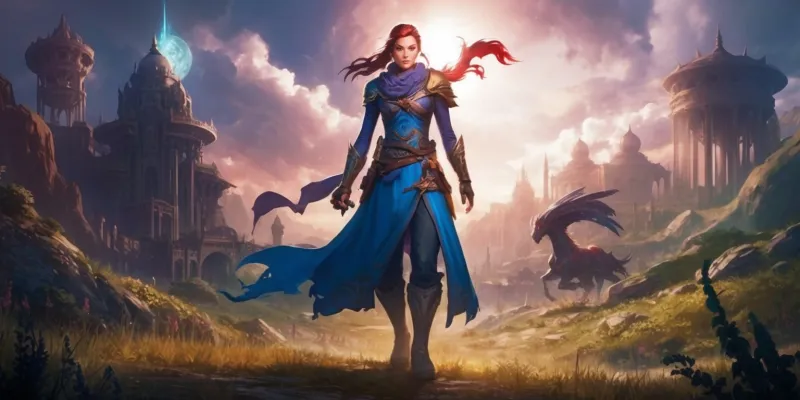
Step into the captivating realm of The Blood of Dawnwalker unfolds before players like a sprawling tapestry woven with critical choices and unforeseen consequences. In this vivid and challenging realm, every decision influences the outcome of a quest that races against time. The narrative, brimming with a sense of urgency and responsibility, invites you to rescue your family "within a precise 30-day period after the" prologue. As you embark on this journey, the game demands careful planning and deliberate actions, where each dialogue and side task can ripple through the storyline. The freedom offered is as liberating as it is fraught with risk, setting the stage for a complex and dynamic adventure in a fantastical universe.
Navigating the Prologue’s Decisive Beginnings
The incipient phase of The Blood of Dawnwalker are built upon a foundation of weighty decisions that shape your entire journey. From the moment the prologue concludes, you are thrust into a timeline where every tick of the clock matters. The narrative introduces you to vital characters and pivotal tasks that demand immediate attention. Choices made during this period influence later quests, determining not only available paths but also the growth of your character’s abilities. The game encourages an analytical approach to conversation options and early missions, Delivering a one-of-a-kind fusion of narrative depth and strategic insight gameplay. Learning which actions preserve your limited time and resources becomes essential, establishing a rhythm of intentionality and precision right from the start.
Diving into the Expansive Cityscape of Svartrau
At its very core, the game pulses with its most vibrant energy in… Svartrau City, a sprawling urban center teeming with life and countless quests. As you navigate its labyrinthine streets, every corner reveals new challenges and narrative threads. The city is a microcosm of the game’s vast world, blending bustling marketplaces with hidden alleys and secret coves. Here, your choices interlace with the fates of numerous inhabitants, each decision echoing in the unfolding drama. Svartrau serves not only as a hub for main story advancement but also as a playground for Optional missions that add depth to the entire experience. The careful design of its aesthetic details and quest logic Entices players to fully dive into its An alternative version could be: "beckons gamers to completely submerge themselves in its." vibrant and unpredictable environment.
Mastering the Race Against Time
Time is a relentless adversary in The Blood of Dawnwalker, turning the game into a strategic race that keeps you on constant alert. You are given a strict period of 30 days to complete your main quest, adding an intense layer of urgency to every choice. This ticking clock forces players to prioritize actions and manage resources meticulously while balancing the lure of optional tasks against the core mission. The design of the game emphasizes that not every side quest or alluring detour is worth pursuing, pushing you to question what best serves the overarching goal. With every decision, you must weigh the potential benefits against the risk of running out of precious time, which transforms each moment into an exercise in tactical foresight.
Customizing Character Abilities and Skill Progression
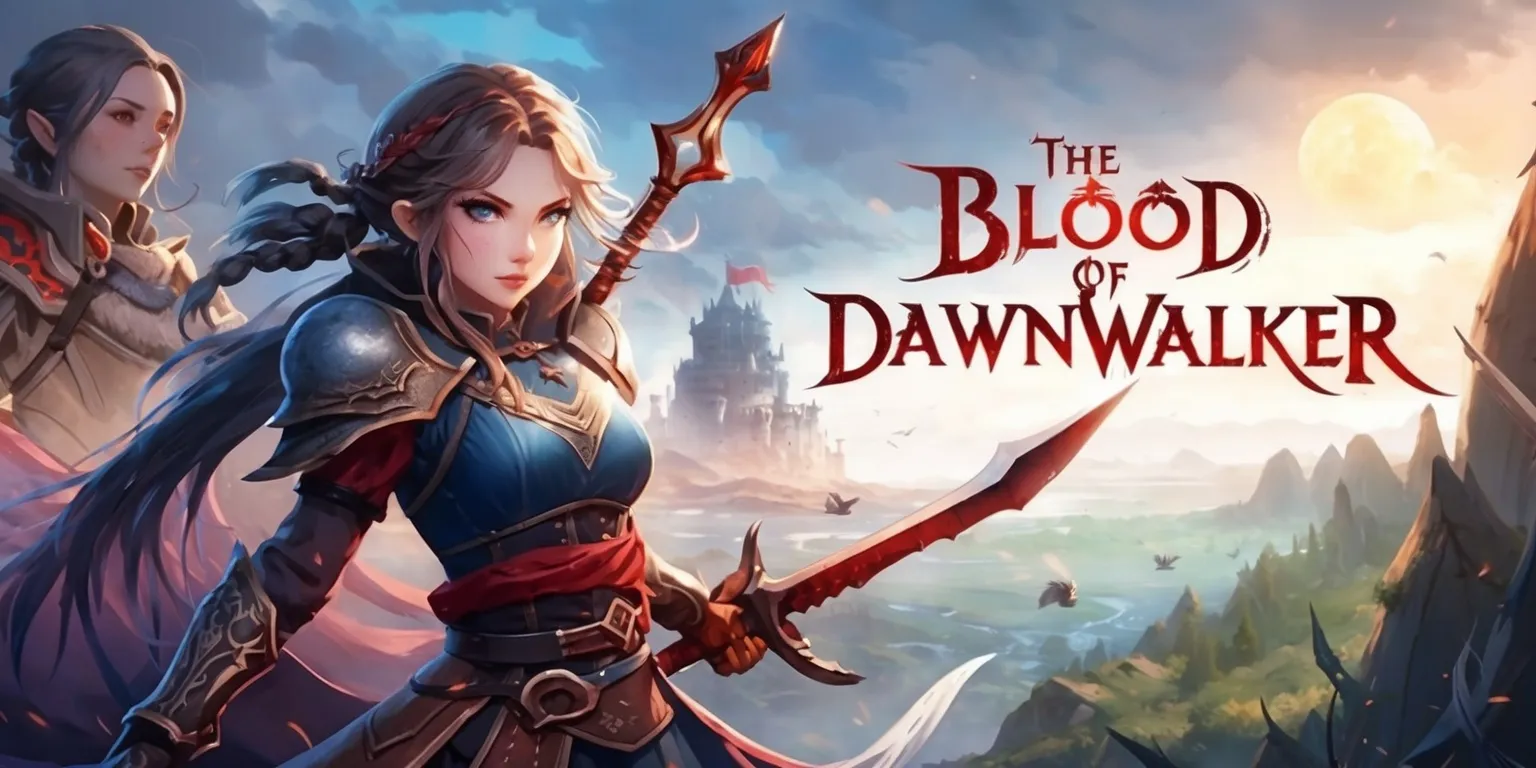
The development of your character in The Blood of Dawnwalker is as intricate as it is essential for success. As you progress through the questlines, the game allows you to refine Coen's abilities and allocate skill points strategically. The balance between strengthening combat prowess and honing strategic abilities plays a significant role in the challenges ahead. Early on, it becomes evident that investing in the right set of skills not only enhances combat effectiveness but also opens up alternative approaches to quests. The talent buildup and skill customization system complements the overarching narrative, ensuring that your decisions in leveling up carry weight and impact future encounters. Your growth, both in narrative context and technical gameplay, becomes a critical element that shapes the overall experience.
Integrating Quest Lines with Hidden Story Elements
In this richly woven narrative, quests extend beyond mere checkmarks on a list. They serve as windows into the authentic worlds of its inhabitants and the subtle undercurrents of the main storyline. Each quest, whether central or peripheral, builds the setting’s intricate lore and deepens the connection between player choices and narrative repercussions. The structure of these missions reinforces the theme of irrevocable decision-making: even seemingly benign interactions might later reveal significant impacts on the overall campaign. The interlocking quests, meticulously designed by Rebel Wolves, encourage exploration and careful attention to detail. Such depth ensures that as you traverse through myriad tasks, the evolving story remains dynamic and congruent with the choices you make.
Exploring the Nuances of Dialogue and Choice Impact
The dialogue system in The Blood of Dawnwalker stands out as a nuanced reflection of player agency. Each conversation branch acts as a subtle indicator of your character’s moral compass and the intended direction of the narrative. The game places great emphasis on how even minor dialogue choices can ripple through your playthrough, setting off a cascade of consequences that emerge gradually. The interactions are written with care, allowing you to experience the ramifications of each decision in unexpected ways. This system challenges the notion of a simple narrative path by revealing that every choice matters in the grand scheme. By encouraging thoughtful engagement with dialogue, the game underlines the earnest nature of personal responsibility within a fantastical yet unforgiving universe.
Dynamic World-Building and Aesthetic Design
The aesthetic design and world-building of The Blood of Dawnwalker make each locale feel vividly real and intricately detailed. From the rustic charm of small settlements to the complex layout of expansive urban centers, every setting is meticulously crafted to evoke a distinct atmosphere. The game’s art direction supports its narrative depth by reflecting the mood and tone of each quest and character encounter. Whether it is the somber hues of an overcast evening or the vibrant colors of a bustling market, Every finely tuned nuance intensifies the immersive experience. This visual storytelling element is essential for preserving the smooth flow of gameplay experience engaging, as players are drawn not only to the strategic challenges but also to the beauty and ambiance that encapsulate every corner of this complex universe.
Balancing Side Quests with the Main Story Arc
The Blood of Dawnwalker masterfully interlaces side quests with the principal storyline, ensuring that every adventure contributes something unique to the overall experience. While focusing on the central mission is vital for family rescue, side quests provide layers of narrative richness and alternative approaches to gameplay. These missions, often set against the backdrop of Svartrau City or its surrounding realms, introduce characters whose fates interconnect with the main storyline. The freedom to explore these additional paths offers depth and replayability, challenging you to balance risk and reward as you allocate your time wisely. Although these detours enrich the narrative tapestry, they also demand thoughtful consideration as diverting too much might disrupt the necessary progression toward the climactic confrontation that awaits.
Checkpoint Strategies and Navigational Cautions
Proper management of checkpoints and manual saves emerges as a fundamental strategy in navigating the numerous challenges of The Blood of Dawnwalker. Since the storyline reaches a crucial juncture that prevents reverting to earlier decisions, creating manual saves becomes indispensable. These saving points offer a safety net, enabling you to explore different narrative pathways without the burden of permanent commitment. The game’s design underlines the importance of thoughtful progression, as irreversible choices can lead to the abrupt conclusion of your journey. By strategically planning your progress and ensuring that you save before pivotal events, you cultivate a gameplay experience that is both adventurous and methodical. This system of checkpoints also mirrors the game’s overarching discussion of consequence and responsibility, enhancing the overall strategic depth.
Multiplicity of Endings and Their Lingering Impacts
The narrative architecture of The Blood of Dawnwalker embraces the concept of multiple endings, each reflective of the choices made throughout the journey. As you progress towards a final confrontation, the culmination of your in-game actions reveals a spectrum of outcomes that celebrate the complexity of decision-making. Certain key missions and dialogue choices actively steer the ending you will encounter, creating a narrative mosaic in which every element matters. The presence of fixed characters who remain unchanged regardless of your decisions also adds a layer of inevitability, balancing out the freedom of choice with predetermined narrative threads. This multiplicity not only provides a rich replay value but also ensures that the emotional and strategic weight of your decisions is deeply felt by the time you approach the epilogue.
Revisiting Past Decisions with a Manual Save System
Among the most enticing attributes of The Blood of Dawnwalker is its encouragement of revisiting decisions through the use of manual saves. The game's design recognizes that not every choice will lead to the desired outcome on the first attempt, thereby inviting players to explore various narrative routes. This mechanism creates a forgiving environment where an inadvertent decision does not have to spell the end of your journey. Instead, it offers the chance to gain insights from previous errors and experiment with different strategies. The manual save system is integral to balancing the challenge with flexibility, ensuring that core gameplay remains accessible while preserving the game's inherent complexity. In doing so, it reinforces an atmosphere of exploration and trial, where each new approach can yield unexpected insights into the multifaceted storyline.