Caravan of Shadows: A Cooperative Expedition into 17th Century Cosmic Horror
- Grace Lee
- July 23, 2026
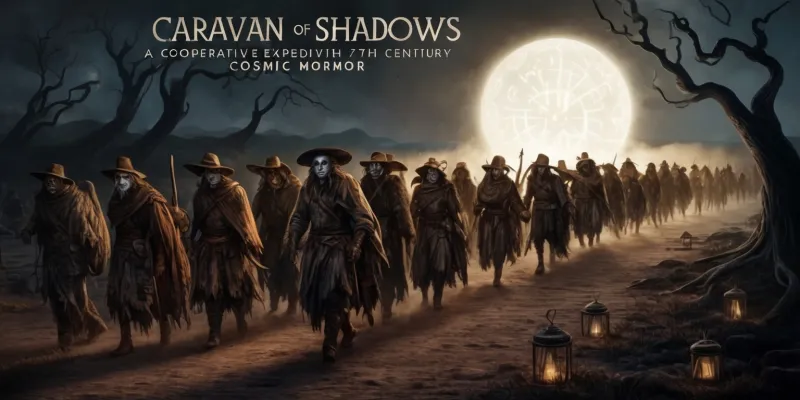
The game emerges as an intricately woven tapestry of survival horror, mixing historical intrigue with supernatural mythology. Its setting in mid-1600s Chile interlaces a rich narrative with moments of absurd horror through cooperative gameplay. Every expedition feels like a step deeper into an enigmatic wilderness where the past and the unknown collide. This experience challenges both tactical decision-making and nerve, as teammates must synchronize their unique skills under unsettling circumstances. The journey is fraught with unexpected twists, eerie encounters, and high stakes that constantly test the limits of both strategy and endurance. An amalgam of historical exploration and cosmic dread provides a memorable backdrop that continuously evolves with every expedition, creating a labyrinthine gameplay experience where every detail matters.
Immersive Historical Backdrop and Mythic Influences
The setting of the game is a brilliant fusion of historical context and cosmic mythology that creates an immersive backdrop. It transports players to a mid-1600s Chile where conquistadors venture into treacherous territory, driven by the promise of enrichment for the Spanish crown despite ominous warnings. The eerie influence of ancient, alien gods is interwoven with the palpable tension of a world on the brink of dark magic. This interplay of history and myth offers a rich narrative where every expedition unearths secrets buried beneath the jungle. Moments of anxiety are expertly blended with bursts of surreal madness, keeping players cautiously engaged. Each step taken in the game feels like a deliberate foray into a timeline that is both familiar and disquietingly arcane.
Dynamic Cooperative Gameplay and Tactical Coordination
The cooperative element is at the heart of the game, emphasizing teamwork and strategic selections. As players assume the roles of historical figures venturing into unknown lands, assembling a reliable team becomes crucial to overcoming the relentless challenges. Each mission compels the group to make careful choices regarding equipment distribution: assigning roles from combat experts to carriers of essential items like lanterns. This ingenious approach requires constant communication and planning that transforms every exploration into a test of collective strategy. The game challenges players to adapt, as the number and variety of adversaries change unpredictably, forcing even the most experienced groups to rethink their tactics. Cooperative play reveals hidden strengths and vulnerabilities, ensuring that every expedition is a fresh and demanding experience.
Exploration and Map Interconnectivity in a Living World
The game world unfolds across 18 intricately designed maps that seamlessly connect into a larger, overarching environment. Each map segment offers unique paths, hazards, and opportunities for discovery. Exploring these regions demands careful navigation and adherence to subtle environmental clues, which often hint at hidden lore and danger. The design of the territories encourages players to explore methodically while remaining alert to the dynamic challenges within. As expedition progress is marked by uncovering long-forgotten secrets and encountering various supernatural entities, every map becomes a microcosm of the game’s larger narrative. This approach ensures that Exploration is far more than merely a method for reaching an end objective, but a way to experience evolving atmospheric tension and historical mysteries in a consistently engaging manner.
Strategic Resource Management and Adaptable Equipment Systems
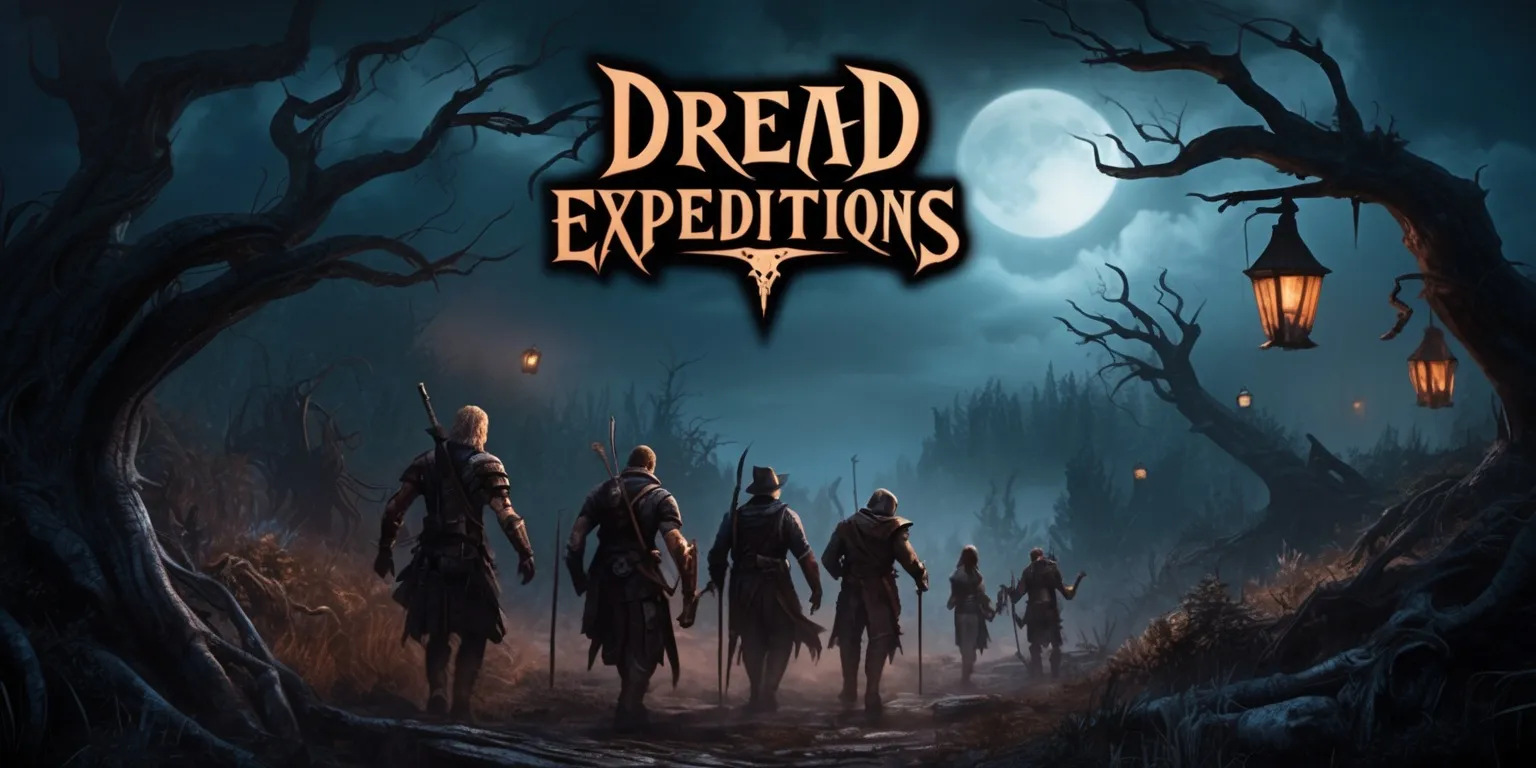
A particularly compelling aspect of the game is its resource management system, which compels players to prioritize their loadouts for each mission. The equipment allocation is uniquely designed, meaning that not every adventurer carries the same gear, which is crucial in balancing combat roles and support functions. Deciding who carries more weapons or who holds the lantern in darkened corridors can be a decisive factor during tense moments. This design choice prevents repetitive gameplay and encourages the group to try different strategies and equipment configurations. The necessity to leave some inventory space free for valuable loot or additional items further underscores the importance of foresight and adaptability. It is a system that rewards careful planning while testing a team’s collective discipline and readiness in the face of mounting threats.
Culturally Charged Narrative with Historical and Indigenous References
The narrative enriches the game by intertwining historical elements with cultural references, lending both depth and complexity to its story. References to the real-life Mapuche indigenous people highlight an effort to incorporate local lore into the broader mythos. This inclusion differentiates the game from typical supernatural narratives by introducing cultural specificity to the region’s untamed wilderness. While the storyline occasionally taps into familiar colonial tropes that depict the New World as a landscape of dark magic, it also makes a concerted effort to distinguish between indigenous traditions and the malevolent cultists of cosmic deities. This careful storytelling choice not only enriches the historical context but also sparks thoughtful reflection on the dynamics of power, belief, and the invasion of the unknown. It It establishes a conversation bridging historical eras with modern times that resonates well beyond simple horror tropes.
Adaptive Difficulty and Contract-Based Missions
The game employs a contract-based mission system that adds unpredictability and dynamism to every expedition. Each contract presents a unique blend of objectives, rewards, and gear allocations directly influenced by the number of players involved. This design allows for a flexible approach, yet it also introduces a steep difficulty curve that may overwhelm even experienced teams. The scaling mechanism means that, on occasion, newer players might find themselves excluded from less challenging missions due to level-based limitations. This aspect pushes groups towards embracing higher stakes and more complex challenges sooner than expected, intensifying the pressure of each decision. Despite its punishing nature, this system intrigues veteran players who appreciate a reward that is commensurate with the risks involved. It’s a unique balance between accessibility and challenge, ever urging players to perfect their tactics.
Harrowing Encounters and Enemy Behavior
The game’s enemy design is particularly notable for its combination of psychological terror and physical challenge. Players must contend with adversaries that range from eerie, possessed figures to bizarre and reality-defying creatures drawn from cosmic horror lore. Encounters are meticulously choreographed to emphasize both the strategic and frantic sides of combat. Often, the sheer number of adversaries, combined with unpredictable enemy behavior, forces players to employ stealth and cunning rather than direct confrontation. This creates moments where every decision carries significant weight, with the group needing to coordinate movement and resource usage meticulously. The fluidity and unpredictability of enemy encounters not only enhance the tension but also continually test the group’s coordination under pressure, leaving them to navigate a labyrinth of imminent dangers where errors may result in swift, serious repercussions.
High Stakes Expeditions and Group Dynamics
The design of each expedition amplifies the sense of urgency and resourcefulness required to survive. The The team's cohesion is rigorously challenged as missions become progressively more challenging, with each expedition demanding near-perfect synergy among team members. Tactical decisions, such as when to proceed quietly versus confront the encroaching horror, often become a matter of life and death. The unique contractual missions sometimes deposit players into scenarios with overwhelming odds, intensifying pressure on strategy and teamwork. Valuable skills are honed through repeated trials, and the importance of clear communication becomes evident with every misstep and narrowly avoided disaster. The high stakes not only reinforce the game’s intense atmosphere but also encourage players to refine their collaborative strategies across diverse operational scenarios.
Variability in Expedition Settings and Environmental Hazards
Environmental hazards form a core element of the game, infusing an additional dimension of tactical planning into each expedition. From navigating a labyrinth of dense jungles to dealing with treacherous, modified map segments that alter standard movement, players are constantly adapting to novel threats. Certain missions introduce hazards such as mysterious substances that challenge the normal flow of movement, forcing players to reconfigure their approach on the fly. This continual variability in environmental design compels teams to remain aware and responsive. Every new map segment combines practical challenges with elements of the supernatural, contributing to an encounter that is just as mentally invigorating as it is engaging adrenaline-inducing. Continuous adaptation and vigilance against these dynamic hazards ensure that every encounter feels distinct and demanding.
Technical Complexity and Evolution of Game Mechanics
The technical underpinnings of the game reveal a sophisticated evolution of mechanics that blend survival, strategy, and narrative storytelling into a cohesive experience. Newly introduced patches and updates have tried to address some of the more daunting difficulties by adjusting game balance and refining certain mechanics. Despite these updates arriving at times when players are still acclimating to the harsh challenge curve, the core mechanics remain a remarkable synthesis of resource management, dynamic enemy encounters, and procedurally generated missions. The intricacies of character progression and meta-upgrades, though mostly cosmetic, provide a nuanced layer to the overall gameplay strategy. It is a technical tapestry that rewards deep familiarity with its mechanics while consistently presenting fresh challenges that push the boundaries of conventional survival horror experiences.
Challenges of Solo Versus Cooperative Play
The game distinguishes itself by offering both cooperative and solo play, yet it is in cooperative scenarios that the full essence of the experience shines through. While solo players are provided with NPC companions to assist with tasks, the efficacy of such aides pales in comparison to real human coordination. Facing the ferocity of intricately designed missions alone can quickly turn even basic expeditions into formidable challenges. The cooperative mode, on the other hand, brings a richness and intensity to the game as players support and compensate for each other’s weaknesses. This dynamic fosters a deeply engaging, social aspect of gameplay where every expedition is shaped by collective strategy and shared risk. As a result, while solo play remains an option, the game’s design clearly favors the intricate dance of teamwork and mutual reliance.